• Skip to main content

Old Varieties

Celebrating and remembering old fruit and vegetable varieties

You are here: Home / Archives for Orchards

Orchards

Jan 05 2012

New apple orchard for Gloucestershire

Gloucestershire Wildlife Trust is creating a new fruit orchard using 60 local variety apple, pear and plum trees at the Trust’s Vell Mill nature reserve near Newent.

Over the last 30 years traditional orchards have declined by 67% in the county , and the Trust is calling upon the help of the local community and it’s supporters to take part.

[pullquote]The idea is to make this a living legacy so that when I am no longer here my son will have something to remember me by.
Mrs Jeffries, of Cheltenham[/pullquote]

60 different fruit tree varieties will be planted, including the traditional Gloucestershire varieties, Jackets and Waistcoats, Lemon Pippin and Jacob Plum.

Jan Ryder, Gloucestershire Wildlife Trust’s Community Fundraiser said: “Not only do orchards provide mouthwatering fruits for us to relish, but they are an ideal place for lesser spotted woodpecker and mistletoe to thrive, and we are overjoyed to be creating a new orchard for all to enjoy.”

Many of the trees are being dedicated to individual people, 12 will be planted in recognition of Gloucestershire Wildlife Trust’s past Chairmen, and a number will be planted for the local community.

Mrs Jeffries, of Cheltenham, has dedicated a tree for her son, said: “I am pleased to be able to support this orchard as I feel passionately about preserving old local trees and customs. The idea is to make this a living legacy so that when I am no longer here my son will have something to remember me by.”

All the trees will be given special treatment by being blessed using the old custom of balancing cider-soaked toast on the branches, and adding a trickle of local cider to water the roots.

Written by admin · Categorized: Apples, News · Tagged: Apple Orchard, Chairmen, Cheltenham, Community Fundraiser, Fruit Orchard, Fruit Tree Varieties, Gloucestershire Wildlife Trust, Jeffries, Lesser Spotted Woodpecker, Local Community, Mistletoe, Nature Reserve, Newent, Orchards, Pippin, Plum Trees, Ryder, Trickle, Vell, Woodpecker

Sep 17 2011

Survey reveals apple identity crisis

The National Trust has revealed that despite the UK being a nation of apple lovers, the majority of Britons cannot identify home grown varieties.

The charity is urging people to ‘take the right bite’ this Autumn to make the most of the unique British flavours available and help save UK orchards.

Heritage varieties of apples collected in a wooden tray - Credit-NTPL / William-Shaw.

Research shows that although more than half of us, 53%, crunch into an apple each week. However, 41% of people who eat apples find it difficult to pick out British grown apples.

While British grown varieties such as the Bramley, Cox Orange Pippin and Egremont Russet are recognised by some apple eaters, 61% of adults wrongly guessed that the Granny Smith is grown on UK soil, when it originates from Australia. Similarly, almost a quarter of people (23%) thought that the Pink Lady is grown in the UK.

As part of its Food Glorious Food campaign , the National Trust has launched its guide ‘How to eat an apple’ to encourage people to buy British grown apples and help ensure our apple heritage is preserved.

Fiona Reynolds, Director General at the National Trust said: “British apples are now being harvested and we’re spoilt for choice with local flavours.  Whether it’s the rich, sweet Cox, or the nutty Egremont Russet we urge everyone to chose and enjoy home grown varieties throughout the day. We need more people to choose British and help protect our orchards. 70 % of apples bought in the UK are imported and this must change.”

The survey also showed that  a quarter of 18-24 year olds do not eat apples at all.

Rachel Brewer, Pommelier for the National Trust, said: “It’s been another fantastic year for apples, all thanks to our unusually hot Spring, which has meant apple blossom has been able to set earlier. There’s such a variety of UK apples ready for picking at the moment; Early Worcester, is a great eating apple and Tom Putt, perfect for cider, but also a very good juice apple too. My favourite is the Ten Commandments, a bright red, really sweet apple which goes brilliantly with blue cheese and port.”

Research sources

Some data supplied by YouGov Plc.  Total sample size was 2000 adults. Fieldwork was undertaken between 1 to 4 July 2011.  The survey was carried out online. The figures have been weighted and are representative of all GB adults (aged 18+).

Additional data supplied by Campaign for Real Farming; http://www.campaignforrealfarming.org/2010/06/community-orchards/

Written by admin · Categorized: News · Tagged: Apple Blossom, Apple Calendar, Apple Lovers, Autumn, Bramley, Britons, Cox Orange, Crunch, Crunchy Texture, Director General, Eating Apple, Eating Apples, Fiona Reynolds, Food Campaign, Food Glorious Food, Good Juice, Granny Smith, Grown Apples, Heritage Varieties, Hot Spring, Local Flavours, National Trust, Nbsp, Orchards, Pink Lady, Pippin, Survey Showed That, Uk Www, Varieties Of Apples, William Shaw

Sep 08 2011

Over 365 varieties of cider apples grown in UK

Over 29 new varieties of cider apple have been created following a selection and propagation process that started in 1984. With many being harvested for the first time this year.

Over 365 cidre apples are grown in the UK. - credit NACM

The new apple varieties have in the main been given female names –  Lizzy, Amelia, Amanda, Jenny, Hastings, Connie, Helen’s Apple, Jane, Tina, Vicky, Naomi, Nicky, Angela, Gilly, Willy, Joanna, Maggie, Hannah, Jean, Sally, Fiona, Tracey, Eleni, Betty and Debbie.

Royal connections

There is a royal connection with the naming of another as Prince William and three other varieties Three Counties, Shamrock and Early Bird make up the new batch.

The final apple selection was made in 2007 and a first crop is being harvested in 2011 to join the existing 365 varieties already grown in the UK.

It can take up to five years for new orchards to produce apples and it is typically ten years before the grower will breakeven following the investment to plant a new orchard.

Over two million new cider apple trees were planted between 1995 and 2006.

New apple varieties

Many of the new varieties of apple have taken 25 years to breed .

[pullquote]Harvest is an important and exciting time but even more so given the time and effort invested to produce new varieties.
Liz Copas, consultant pomologist to the NACM [/pullquote]

The long-term project is being managed by NACM as part of ongoing research to improve the quality of apples available to cider makers.

Working on the project throughout has been Liz Copas, consultant pomologist to the NACM and a leading authority on cider apples.

One new variety has even been named ‘Lizzy’ after her.

She said: ”Harvest is an important and exciting time but even more so given the time and effort invested to produce new varieties.

”We hope to prove that the new fruit offers growers and cider makers the best combination of juice quality and high yields whilst requiring limited intervention during the growing season.”

Cider apples differ from culinary and dessert fruit as the cider maker is interested in what flavours are present in the apple juice to be able to produce a range of styles of cider are possible.

The hundreds of varieties of apples each offer different levels of tannin, acidity, astringency and natural sweetness – all the components that combine to produce the flavours and character in cider, just as in wine.

Early harvest

Britain’s cider harvest gets underway a month earlier than usual in 2011 due to the warm spring weather, and growers are expecting a bumper crop.

Over 200,000 tonnes of apples will be picked within the next ten weeks.

Nearly half of all apples grown in the UK are used to make cider and many thousands of acres of new orchards have been planted in the last 15 years to keep pace with the increasing demand for the drink.

Gabe Cook, spokesman for the National Association of Cider Makers (NACM), said: ” An early harvest is an encouraging sign for the industry.

”The harvest has started earlier but then we saw an early blossom in spring.

”We are expecting a good harvest and we are especially pleased to see new orchards being harvested after the investment in planting”

Around 10 million hectolitres, or 1.76 billion pints, of cider are enjoyed by UK consumers every year according to the NACM.

Written by admin · Categorized: Apples, Featured · Tagged: Apple Juice, Apple Trees, Apple Varieties, Astringency, Cider Apple, Cider Apples, Cider Maker, Cider Makers, Copas, Eleni, Gilly, Juice Quality, Leading Authority, Lizzy, Nacm, Ongoing Research, Orchards, Pomologist, Prince William, Royal Connections, Shamrock, Tannin, Three Counties, Varieties Of Apple, Varieties Of Apples, Vicky

May 16 2011

National Trust feature Medlars at Chelsea

The National Trust will launch their new Garden Collection at Chelsea 2011 and the stand will feature old varieties, including the ancient medlar.

National Trust Stand under construction at Chelsea 2011
Nine British companies have come together to form the National Trust Garden Collection, offering a range of gardening items from summerhouses to spades, sales of which generate income for the Trust’s conservation work including that of its gardens.

The collection – which includes products from Alitex Greenhouses, Crane Sheds, Gaze Burvill outdoor furniture, Oak Leaf Gates, Scotts of Thrapston Summerhouses and Westminster Stone – will be launched at the RHS Chelsea Flower Show in May.

The exhibition stand, which will also feature National Trust plants, has been designed by Louise Harries, graduate of the London College of Garden Design, who won a competition to design and build the stand.

Wherever possible plants for the stand will be grown and supplied by the nurseries at the National Trust properties Lanhydrock and Killerton.

Heritage Varieties

Heritage varieties are to be used where possible and this has proved quite a challenge, not least the hot weather bringing on all the plants and rabbits finding them very tasty! Medlar trees at the back of the stand are designed to reflect the orchards of the National Trust.

On winning the National Trust Garden Collection stand competition, Louise said: “To create a garden space showcasing the best in British design and craftsmanship for the National Trust at The Chelsea Flower Show; a great British institution, is a dream project for me. I’m thrilled to be a part of the team.”

Each item in the garden collection takes inspiration from the extensive gardens, buildings, collections and land in the National Trust’s care and all are produced using traditional crafts and techniques.

For example, Scotts of Thrapston Summerhouses have based their licensed designs on outdoor structures cared for by the Trust, including the

Medlar trees for NTGC stand at Cheslea 2011
Medlar trees will reflect the National Trust forests and woodlands
converted shed in the garden which once belonged to George Bernard Shaw where he created many of his masterpieces.

Whereas Gaze Burvill has concentrated on traditional wood crafts that can be seen at so many properties through the National Trust and using these have designed and produced garden furniture which is new and innovative, thereby creating heritage for future generations.

Phillippa Green, Brand Licensing Manager at the National Trust said, “We are delighted to be working with such an amazing group of companies who share our passion for the National Trust and its principles and who are working collaboratively in order to support the charity so effectively.”

British suppliers

Garden Furniture by Gaze Burvill
Turning Table/Seat Set made from English FSC Sweet Chestnut from a wood in Herefordshire.

Greenhouses by Alitex
Seven greenhouse designs inspired by gardens cared for by the National Trust, including Hidcote Manor Garden and Scotney Castle.

Sheds by Crane Sheds and Summerhouses
Three traditional shed designs inspired by design influences from a number of properties in East Anglia, including Felbrigg Hall and Sheringham Park.

Stone Paving by Westminster Stone
A range of paving inspired by traditional designs examples of which can be found within many properties cared for by the National Trust with a contemporary flavour.

Summerhouses by Scotts of Thrapston
Two summerhouse designs based on structures in the Trust’s care; The Writers Retreat (George Bernard Shaw’s summerhouse) and The Reading Room (summerhouse belonging to Virginia Woolf).

Wild Bird Care by Wildlife Habitats
A range of bird boxes, bird feeders, bird tables, wild animal habitats and wild bird food made from sustainable materials to encourage wildlife to visit your garden.

Wooden Gates by Oak Leaf Gates
A range of traditionally crafted contemporary design wooden garden gates made from British FSC oak.

More information

RHS Chelsea Flower Show 2011

The Common Medlar – Discover more about this strange fruit which has been used in Britain since medieval times.

NTGC – National Trust Garden Collection which will launch at Chelsea 2011.
By choosing National Trust licensed products, consumers help to support the work of the charity in continuing to preserve the many beautiful places and spaces in England, Wales and Northern Ireland for everyone to enjoy – forever for everyone.

The National Trust – a charity with a love for preserving historic places and spaces across England, Wales and Northern Ireland.

Written by admin · Categorized: Featured, Fruit & Veg, News · Tagged: British Institution, Chelsea Flower Show, Conservation Work, Dream Project, Furniture Oak, Garden Space, Greenhouses, Heritage Varieties, Hot Weather, Lanhydrock, Licensed Designs, London College, Medlar Trees, National Trust Properties, Oak Leaf, Orchards, Outdoor Furniture, Outdoor Structures, Rhs Chelsea Flower Show, Scotts Of Thrapston, Summerhouses, Traditional Crafts

Dec 27 2010

Help available for orchard management

Natural England hope that a new guide will curb the demise of the English fruit orchard.

Traditional orchards are a classic feature of the English landscape and are fantastic places for wildlife but they have been disappearing at an alarming rate.

According to Natural England over 75% of traditional orchards in England have vanished since the 1950s.

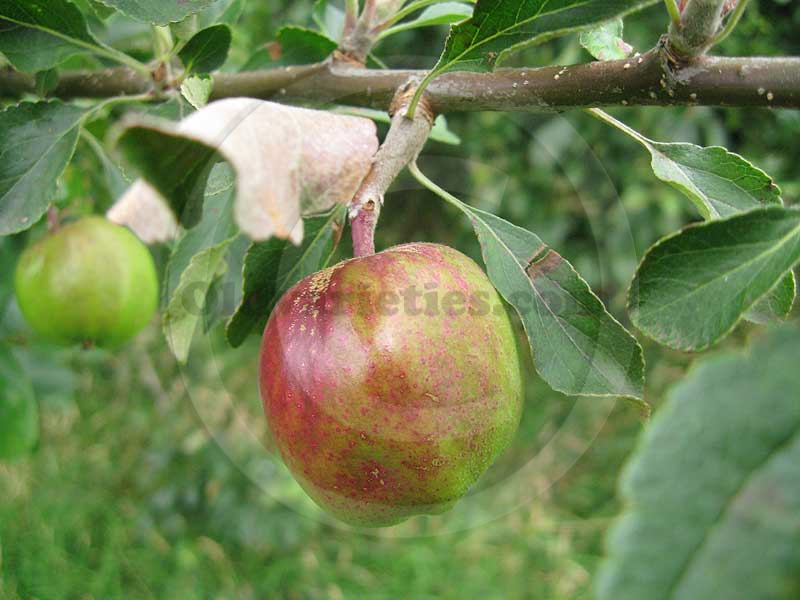
A red apple
New guides produced to help orchard owners

Orchards are home to wildlife

Restoring and managing orchards is good for wildlife and it is hoped the new guides will also help protect the orchard eco-system.

The guides are designed to provide practical advice to land managers on how best to look after orchards in their care and are now available as PDFs  by following the links below.

Orchards are important for a rich biodiversity of flora and fauna and in 2007, traditional orchards received UK Biodiversity Action Plan priority status in recognition of their importance to wildlife.

Wildlife is attracted to the mosaic of habitats such as dead wood, scrub, hedgerows, unimproved grassland and ponds.

Declining bird species such as the lesser spotted woodpecker and bullfinch can thrive in orchard environments, as can a wide diversity of mosses, lichen and fungi and bat species.

Traditional orchards also provide important habitats for the beautiful, but rare noble chafer beetle, that lives in the dead wood of older trees.

Orchard advice guides (.pdf)

  • TIN012 – Traditional orchards: a summary
  • TIN013 – Traditional orchards: site and tree selection – This information note provides guidance on how to select sites for new orchards and the types of tree to plant within new and existing orchards.
  • TIN014 – Traditional orchards: planting and establishing fruit trees -This information note provides guidance on planting in and replanting an orchard and the establishment of new trees.
  • TIN015 – Traditional orchards: an introduction to pruning
  • TIN016 – Traditional orchards: formative pruning of young trees – This information note provides guidance on why young fruit trees require formative pruning and on how to prune them. The main part of the guidance applies mainly to apples and pears, in particular dessert varieties. The final section explains the main differences when pruning other fruit trees.
  • TIN017 – Traditional orchards: maintenance pruning – This information note provides guidance on the reasons for the routine pruning of fruit trees and advice on the different methods of achieving this.
  • TIN018 – Traditional orchards: restoring and managing mature and neglected orchards
  • TIN019 – Traditional orchards: fruit tree health – This information note provides information on identifying, and managing for, the main pests, diseases and nutrient deficiencies that may affect a traditional orchard.
  • TIN020 – Traditional orchards: orchards and wildlife – This provides information on the wildlife found in orchards and gives guidance on how to manage orchards for wildlife.
  • TIN021 – Traditional orchards: glossary

Written by admin · Categorized: Featured, Fruit & Veg · Tagged: Advice Guides, Alarming Rate, Bat Species, Biodiversity Action Plan, Bird Species, Bullfinch, Chafer Beetle, English Landscape, Flora And Fauna, Fruit Orchard, Fruit Trees, Information Note, Lesser Spotted Woodpecker, Orchard Environments, Orchard Management, Orchards, Priority Status, Rich Biodiversity, Tree Selection, Uk Biodiversity Action Plan

  • Page 1
  • Page 2
  • Page 3
  • Interim pages omitted …
  • Page 5
  • Go to Next Page »

Copyright © 2026 ·Altitude Pro on Genesis Framework · WordPress · Log in