• Skip to main content

Old Varieties

Celebrating and remembering old fruit and vegetable varieties

You are here: Home / Archives for Apple Trees

Apple Trees

Sep 08 2011

Over 365 varieties of cider apples grown in UK

Over 29 new varieties of cider apple have been created following a selection and propagation process that started in 1984. With many being harvested for the first time this year.

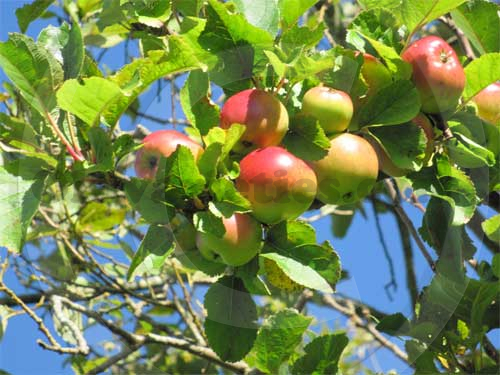
Over 365 cidre apples are grown in the UK. - credit NACM

The new apple varieties have in the main been given female names –  Lizzy, Amelia, Amanda, Jenny, Hastings, Connie, Helen’s Apple, Jane, Tina, Vicky, Naomi, Nicky, Angela, Gilly, Willy, Joanna, Maggie, Hannah, Jean, Sally, Fiona, Tracey, Eleni, Betty and Debbie.

Royal connections

There is a royal connection with the naming of another as Prince William and three other varieties Three Counties, Shamrock and Early Bird make up the new batch.

The final apple selection was made in 2007 and a first crop is being harvested in 2011 to join the existing 365 varieties already grown in the UK.

It can take up to five years for new orchards to produce apples and it is typically ten years before the grower will breakeven following the investment to plant a new orchard.

Over two million new cider apple trees were planted between 1995 and 2006.

New apple varieties

Many of the new varieties of apple have taken 25 years to breed .

[pullquote]Harvest is an important and exciting time but even more so given the time and effort invested to produce new varieties.
Liz Copas, consultant pomologist to the NACM [/pullquote]

The long-term project is being managed by NACM as part of ongoing research to improve the quality of apples available to cider makers.

Working on the project throughout has been Liz Copas, consultant pomologist to the NACM and a leading authority on cider apples.

One new variety has even been named ‘Lizzy’ after her.

She said: ”Harvest is an important and exciting time but even more so given the time and effort invested to produce new varieties.

”We hope to prove that the new fruit offers growers and cider makers the best combination of juice quality and high yields whilst requiring limited intervention during the growing season.”

Cider apples differ from culinary and dessert fruit as the cider maker is interested in what flavours are present in the apple juice to be able to produce a range of styles of cider are possible.

The hundreds of varieties of apples each offer different levels of tannin, acidity, astringency and natural sweetness – all the components that combine to produce the flavours and character in cider, just as in wine.

Early harvest

Britain’s cider harvest gets underway a month earlier than usual in 2011 due to the warm spring weather, and growers are expecting a bumper crop.

Over 200,000 tonnes of apples will be picked within the next ten weeks.

Nearly half of all apples grown in the UK are used to make cider and many thousands of acres of new orchards have been planted in the last 15 years to keep pace with the increasing demand for the drink.

Gabe Cook, spokesman for the National Association of Cider Makers (NACM), said: ” An early harvest is an encouraging sign for the industry.

”The harvest has started earlier but then we saw an early blossom in spring.

”We are expecting a good harvest and we are especially pleased to see new orchards being harvested after the investment in planting”

Around 10 million hectolitres, or 1.76 billion pints, of cider are enjoyed by UK consumers every year according to the NACM.
Written by admin · Categorized: Apples, Featured · Tagged: Apple Juice, Apple Trees, Apple Varieties, Astringency, Cider Apple, Cider Apples, Cider Maker, Cider Makers, Copas, Eleni, Gilly, Juice Quality, Leading Authority, Lizzy, Nacm, Ongoing Research, Orchards, Pomologist, Prince William, Royal Connections, Shamrock, Tannin, Three Counties, Varieties Of Apple, Varieties Of Apples, Vicky

Sep 26 2010

WW2 Apples from Rimini

A small orchard of apple trees is a poignant reminder of the lives torn apart by war and a new life forged in a foreign land.

Apple orchard at the Ukrainian Chapel, Dumfries
70 year old trees, miles from home

During World War II, hundreds of Ukrainian men were forced to join the German Army.  As POW’s, some of them were brought to Scotland from Rimini in Italy.

One of the POW’s, Mr Fallat, brought with him three matchboxes full of seeds.

He said;

“Where this orchard is, will be home”

The apple trees are being carefully tended by the custodians of the Hallmuir Ukrainian Chapel and are still cropping prolifically today.

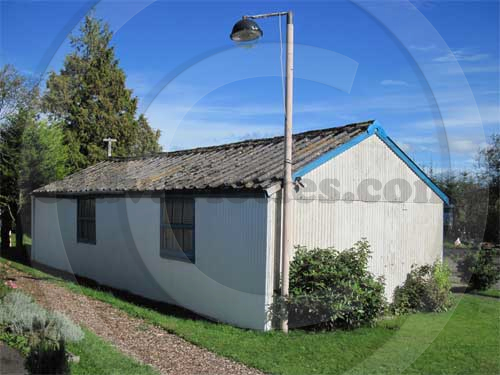
The Ukrainian Chapel at Hallmuir, just outside Lockerbie, is a carefully preserved remnant of a 40 strong hut complex, designed to house over 400 Ukrainian POW’s, who would never see their home or families again.

Ukrainian_chapel
Ukrainian_chapel

Italian apples

Italy is Europe’s largest producer of apples fruit, and is the third largest in the world after China and the United States.

The European Commission for apples has in fact awarded Italy with three Designations of Protected Origin.

More Information

Heritageandhistory.com – Ukrainian Chapel, Lockerbie

Italtrade.com – The Made in Italy official portal – Italian apples galore.

DPcamps.org – Rimini Displaced Persons Camp

Written by admin · Categorized: Featured, Fruit & Veg · Tagged: Apple Trees, apples, China And The United States, Custodians, Designations, Dumfries, Europe, European Commission, German Army, Italtrade, Italy During World War Ii, Lockerbie, Matchbox, Matchboxes, Old Trees, Orchard, Poignant Reminder, Portal, Pow, Remnant, Rimini Italy, Scotland, Seeds, Ukrainian, World War Ii, Ww2

Sep 06 2010

First Heritage Apple Crop

Our three year old heritage apple trees have yielded their first fruits this year and the taste is out of this world!.

September has arrived and with it, the first crop of apples from our recently planted heritage apple orchard and although the yield is

Scotch Bridget

not vast, the taste and quality of the fruit cannot compare to the bland supermarket varieties.

We planted five eating apples and five cooking apples, all of varieties suited to a northern climate and all grafted onto dwarf rootstock, which should give us more manageable plants.

Our apples were supplied by Adam’s Apples in Devon and we sought their advice on the best varieties suited to our region which would tolerate being grown as cordons or small trees.  On tasting, I have to say, the selection is outstanding; the eating apples have such diverse flavours and colours and the cooking apples have wonderful textures and flavours.

The crop this year has not been big enough to store but some of the cooking apples have been prepared for the freezer and should last well into the winter.

We always garden organically, using no pesticides or fungicides and as a result, one or two of the fruits may have the occasional blemish but these are nothing more than slight skin imperfections and in no way detract from the flavour of the fruits.

The trees will be given a good mulch and feed this winter and we look forward to next year’s crop.

More information

Adam’s Apples – Talaton plants in Devon supply a huge range of heritage apple varieties along with very helpful advice and expertise.

Written by admin · Categorized: Featured, Fruit & Veg · Tagged: Apple Crop, Apple Orchard, Apple Trees, Apple Varieties, Blemish, Bridget, Devon, Eating Apples, First Fruits, Flavour, Flavours, Freezer, Fungicides, Mulch, Northern Climate, Pesticides, Rootstock, Scotch, Skin Imperfections, Supermarket Varieties

Copyright © 2026 ·Altitude Pro on Genesis Framework · WordPress · Log in