• Skip to main content

Old Varieties

Celebrating and remembering old fruit and vegetable varieties

You are here: Home / Archives for Featured

Featured

Mar 30 2011

Fences to protect rare juniper woodland

Government permission is being sought for plans to regenerate two areas of native juniper woodland in the Cumbrian Lake District.

Juniperus Communis
Juniperus Communis

The proposed project aims to fence off nearly 30 acres of Glenridding Common, alongside one of the popular walking routes up to Helvellyn,  for up to 15 years.

By keeping grazing animals out of this area, the native juniper woodland will have a chance to re-establish itself, assisted by some new planting.

Details of the proposed fencing near Glenridding Youth Hostel and the old Greenside Mines and information about how to make comments will be on show in Patterdale Village Store and on the national park website; www.lakedistrict.gov.uk until 29 April.

The proposals have been drawn up by the Lake District National Park Authority, the graziers on the common and Natural England. The LDNPA has already consulted with other interested partners including the parish council, the Local Access Forum and Friends of the Lake District.

The decision on whether to approve the proposals will be made by the Planning Inspectorate on behalf of the Department of the Environment, Food and Rural Affairs.

The Head of Environment and Heritage for the national park, Andrew Herbert, said fencing was needed to promote the regeneration and growth of juniper by the exclusion of grazing animals. He appreciated that people would have a range of views about the project which needed to be considered.  He Added;

“Our native juniper is a rare habitat in a European context. As such it represents an important component of the Helvellyn and Fairfield Site of Special Scientific Interest of which Glenridding Common forms part.

“Grazing is preventing the natural regeneration of juniper on the Common and the proper establishment of young plants that are still present. Successful regeneration of the juniper will contribute to meeting national scientific conservation targets and enhance this important part of the national park’s spectacular landscape.”

Comments on the scheme should be sent to: the Planning Inspectorate, Room 4/05, Kite Wing, Temple Quay House, 2 The Square, Temple Quay, Bristol, BS1 6PN.

More information

National Park Authority

Written by admin · Categorized: Featured, News · Tagged: Access Forum, Andrew Herbert, Communis, Cumbrian, Department Of The Environment, Environment Food, European Context, Friends Of The Lake District, Government Permission, Grazing Animals, Greenside, Interested Partners, Lake District, Lake District National Park, Lakedistrict, Natural Regeneration, Planning Inspectorate, Rare Habitat, Rural Affairs, Youth Hostel

Feb 28 2011

Highland Cattle

Native to western Scotland, the Highland breed of cattle is one of Britain’s oldest, distinctive and best known breeds, with written records dating back to the 18th Century.

Highland Cattle
Highland Cattle have a distinctive appearance with their long red coat and shaggy fringe


Highland cattle are a hardy breed, ideally suited to survival on poor mountain land with high rainfall, making the most of poor forage.

Many Highland cows continue to breed to ages in excess of eighteen years, sometimes giving birth to around 15 calves which are generally given birth to outdoors.

The hardy nature of this breed means that they can be reared naturally, thriving in the hills and uplands of our country, without the need for intensive farming practices.

The longevity and hardiness of the Highland breed, keeps their farming costs lower than many other breeds, making them an important contribution to the agricultural economy of the UK.  They can be found in many areas of the British Isles and are in high demand in other areas of the world where grazing is poor and weather conditions cold and wet.

Highland Beef

Highland cattle produce lean, well-marbled, flesh that ensures tenderness and succulence with a very distinctive flavour. From a nutritional aspect, Highland Beef is healthy and nutritious with lower levels of fat and cholesterol and a higher protein and iron content than other beef.

More information

Highland Cattle Society – Find out more about the distinctive Highlander cattle.

Highland Cattle World – Read the stories of Highland cattle folds around the world.

Written by admin · Categorized: Animals, Featured · Tagged: 18th Century, Agricultural Economy, Beef Cattle, Breed Of Cattle, British Isles, Calves, Cholesterol, Distinctive Appearance, Distinctive Flavour, Farming Practices, Flesh, Forage, Giving Birth, Hardiness, Hardy Nature, Highland Beef, Highland Cattle, Highland Cattle Society, Highland Cows, Intensive Farming, Iron Content, Longevity, Protein, Rainfall, Spect, Succulence, Survival, Uplands, Western Scotland

Jan 26 2011

Saving Derbyshires Ancient Trees and Legends

Some of the oldest, greatest trees in the UK are located in Derbyshire, many are associated with local legends and ancient traditions.

A £45,200 grant from the Heritage Lottery Fund is financing a project to capture these stories and give the trees better protection


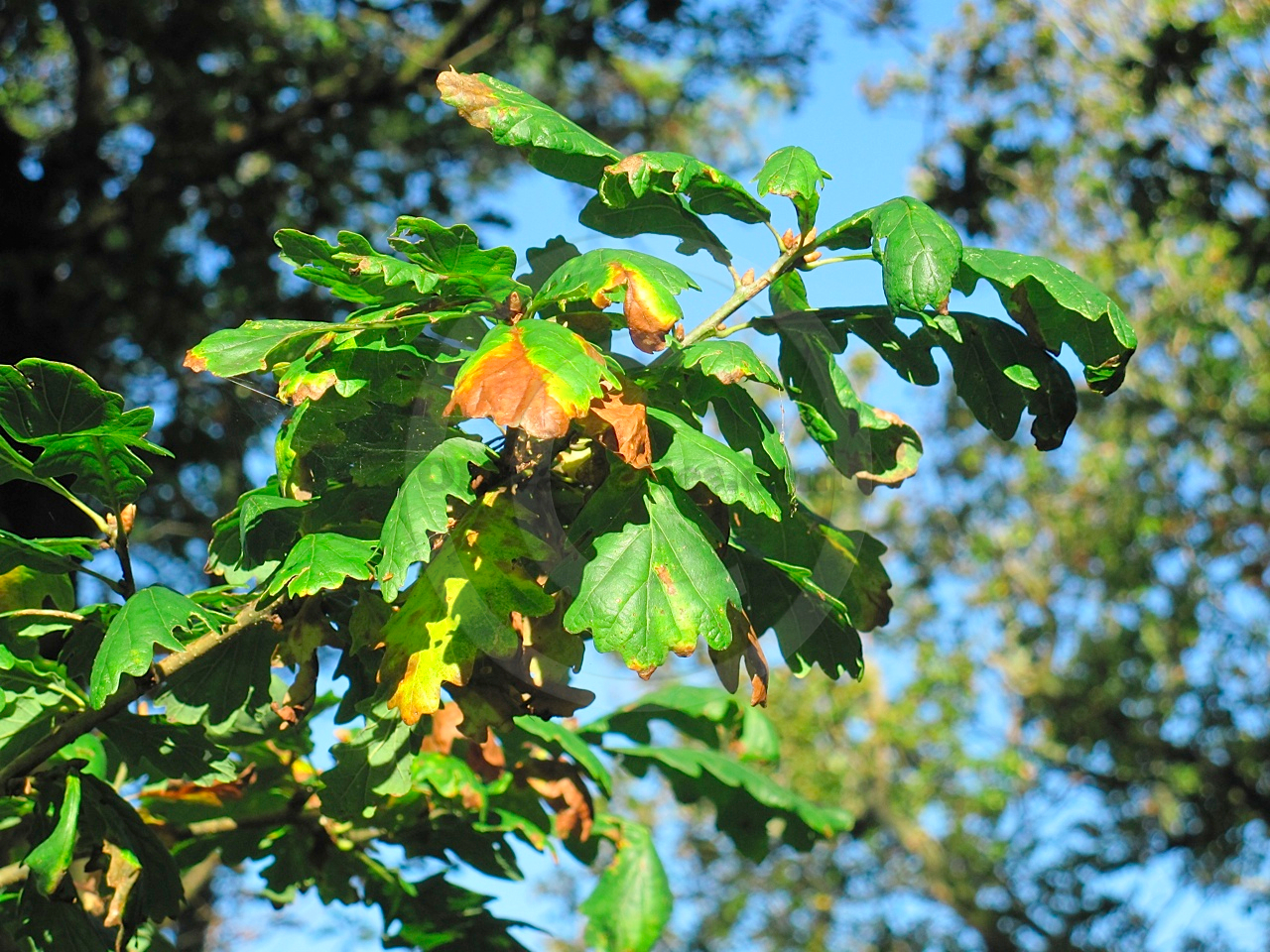
oak-leaf
Some UK oaks are over 1000 years old


Volunteers will be recruited locally by The Derbyshire Wildlife Trust, to carry out a range of tasks.

The Trust is building on a major tree survey, funded by an earlier HLF grant, which identified and mapped more than 4,000 veteran trees, some of which were found to be of not just regional, but of national importance.

The ancient trees, some of which are thought to be over a thousand years old, are important to the landscape and for wildlife, providing a habitat for many rare and endangered species.

Among their number are the Old Man of Calke, an oak tree thought to be more than 1200 years old, and the remains of the Betty Kenny Yew in Shining Cliff Woods near Crich which is believed to be even older. This tree was said to be the inspiration for the lullaby Rock-a-bye-baby in a tree top.

Although some of the identified trees are protected within reserves or sites of special scientific interest, most are outside such areas and have no legal protection. The project “Saving the Great Trees of Derbyshire” will train volunteers to help them monitor the condition of trees locally and spread awareness of their value. They will also be able to spot specimens at risk and take action to save them with specialist support.

Legend and folklore


Where there are local legends these will be documented and an archive created on the Derbyshire Wildlife Trust’s website. A programme of special events will also be devised to engage further public interest, including guided walks and craftwork for children and families.

Land owners, managers and local communities who have ancient trees locally will also be able to find advice online detailing how they can protect the older trees in the future.

Emma Sayer, Head of Heritage Lottery Fund East Midlands, said:

“As well as their importance to the landscape and to nature conservation these magnificent trees have in many cases contributed to local folklore. This project will protect all these aspects and is especially appropriate as it is beginning within the International Year of Biodiversity.”

Commenting for Derbyshire Wildlife Trust Jo Brown Conservation Manager said: “We are delighted that the HLF are supporting this project. Our survey showed that many ancient trees are at risk because their value is not recognised, and we hope that by helping people celebrate their local trees we can make sure they are still around for future generations to enjoy.”

More information

Heritage Lottery Fund

Derbyshire Wildlife Trust

Written by admin · Categorized: Featured, News · Tagged: Ancient Traditions, Ancient Trees, Craftwork, Crich, Derbyshire Wildlife Trust, Endangered Species, Folklore, Great Trees, Guided Walks, Heritage Lottery Fund, Legends, Lullaby Rock, Oak Tree, Public Interest, Rock A Bye Baby, Specialist Support, Specimens, Tree Survey, Veteran Trees, Yew

Jan 26 2011

Return of the Doddin Apple

The small, sweet Doddin (Daddin) apple is a native of  Worcestershire and thanks to a few dedicated people, is set to make a comeback.

What is the Doddin?


doddin_apple
Small, sweet fruits made this a popular "scrumper's" apple


The Doddin (sometimes pronounced Daddin) is an apple tree that is rather diminutive in size but produces heavy yields of equally diminutive but juicy and very sweet apples.

Doddin apples are ready for harvest in July.  Pale green in colour, they are slightly larger than a golf ball and a little elongated.

They are best eaten within a few days of picking and are eaten whole, including the core.  A real hit with children due to it’s small size.

A Doddin tree grows freely on its own rootstock and tolerates wet and heavy clay soils.

Doddin Preservation Society

It is thought that the Doddin apple tree is found only in the town of Redditch, Worcestershire, England and the immediate surrounding area. The actual numbers of native Doddin are not known but there are probably less than twenty.

The Doddin Preservation Society, is a not for profit organisation whose aims are to;

  • Discover and, where possible, preserve existing specimens and  encourage others to do so.
  • Keep The Doddin name in the public domain.
  • Reproduce, by vegetative means, The Doddin and endeavour to raise specimen numbers.
  • Get The Doddin recognised as a variety and to be accepted by the national collection at Brogdale.

World War II


Unpruned and unfed Doddin
An unpruned, unfed Doddin shows it's natural shrubby nature


Pip Taylor of The Doddin Preservation Society said;

“I remember my father telling me of The Doddin and of how it was an important crop for the people of Redditch during the War.

The apple’s virtues are; cropping early in July, thus extending the apple harvest, very sweet and bite size.

During wartime England, when sweets had disappeared from shop shelves, The Doddin could send a child in raptures of ecstasy with just one bite.

The sweetness is exceptional, combined with the low level of malic acid so, with its deminutive size it lent itself nicely to a sweet substitute. Bought for a penny a bag it was not unusual for locals to take them into cinemas.

Eaten whole, there would be nothing left but the stalk. The only drawback is the high tannin levels which can turn the teeth brown”.

Doddin’s Fall and Rise

With the expansion of Redditch, which was designated a New Town in the early 1970s, most of The Doddin trees in gardens and allotments disappeared under the new ring roads and housing developments.

Recently, Pip Taylor became concerned that the younger generation and those recent to the town, would not know of The Doddin and may cut down existing trees.


Taking cuttings from a Doddin
Kevin taking cuttings from a well fed Doddin


Pip’s hope was for nothing more than to get the apple’s name in the local press but with the help of Kevin O’Neil of Walcot Nursery, Drakes Broughton, Worcestershire, they managed to get a good number of maiden Doddins ready for sale.

Kevin took material from a local Doddin to graft onto various rootstocks for bare root maidens which where ready in November 2010.

Judging from the response, these are popular little trees and would be well suited to the smaller gardens of today or even container planting.

Doddins throw suckers and unlike many commercial apples, they survive quite well on their own rootstock.

It is not known yet, just how long a tree will take to bear fruit but they are slow growing and the picture below, is of a tree which is thought to be the oldest at about 80 years old, showing just how diminutive they are.

We have been told that there are only a few plants remaining from the 2008/2009 cuttings but new stock is quite likely to be grafted this year.

If you are keen to own a Doddin, it is suggested that you contact Walcot Nurseries to reserve your plant.  The Doddin is probably the earliest fruiting apple known and as such is not likely to tolerate climates which suffer late frosts.

Doddins on the map


Doddin thought to be about 80 years old
Apple scrumping memories from an 80 year old tree


The Doddin Preservation Society are trying to place all known Doddin trees on the map and would love to hear from anybody who thinks they may have one.

We at Oldvaieties.com would be interested to know how many Doddins still survive and if you know of any stories or folklore surrounding this fruit.

Is this the oldest Doddin tree?

How was the fruit used?

Do you have an old Doddin recipe?

Contact us using the comments section at the end of this article.

More information

Doddin Preservation Society

Walcot Organic Nursery – A selection of traditional and modern fruit tree varieties.

BBC – Rare apple planted in local orchard.

Written by admin · Categorized: Apples, Featured · Tagged: Apple Harvest, Apple Tree, Bite Size, Brogdale, Clay Soils, Endeavour, Golf Ball, Pip, Preservation Society, Profit Organisation, Quot, Rootstock, Specimen Numbers, Specimens, Sweet Apples, Sweet Fruits, Virtues, Wartime England, Worcestershire England, World War Ii

Dec 27 2010

Help available for orchard management

Natural England hope that a new guide will curb the demise of the English fruit orchard.

Traditional orchards are a classic feature of the English landscape and are fantastic places for wildlife but they have been disappearing at an alarming rate.

According to Natural England over 75% of traditional orchards in England have vanished since the 1950s.

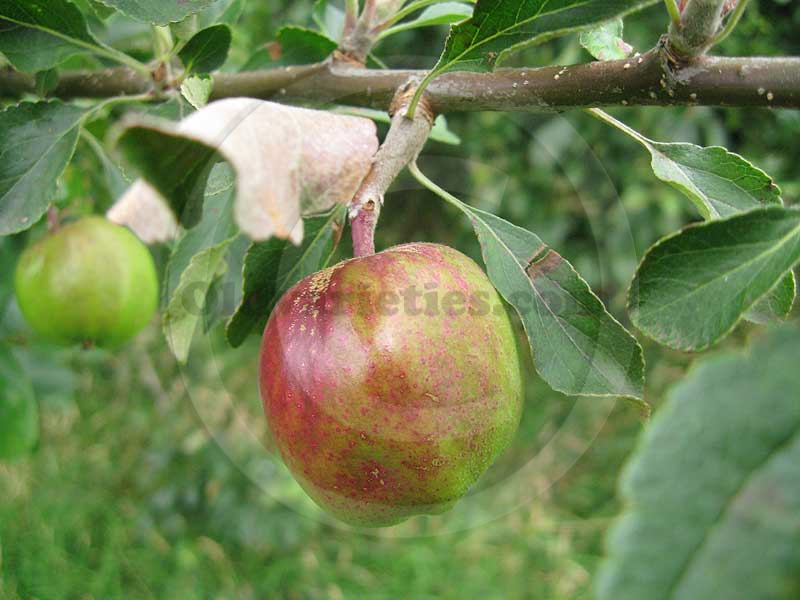
A red apple
New guides produced to help orchard owners

Orchards are home to wildlife

Restoring and managing orchards is good for wildlife and it is hoped the new guides will also help protect the orchard eco-system.

The guides are designed to provide practical advice to land managers on how best to look after orchards in their care and are now available as PDFs  by following the links below.

Orchards are important for a rich biodiversity of flora and fauna and in 2007, traditional orchards received UK Biodiversity Action Plan priority status in recognition of their importance to wildlife.

Wildlife is attracted to the mosaic of habitats such as dead wood, scrub, hedgerows, unimproved grassland and ponds.

Declining bird species such as the lesser spotted woodpecker and bullfinch can thrive in orchard environments, as can a wide diversity of mosses, lichen and fungi and bat species.

Traditional orchards also provide important habitats for the beautiful, but rare noble chafer beetle, that lives in the dead wood of older trees.

Orchard advice guides (.pdf)

  • TIN012 – Traditional orchards: a summary
  • TIN013 – Traditional orchards: site and tree selection – This information note provides guidance on how to select sites for new orchards and the types of tree to plant within new and existing orchards.
  • TIN014 – Traditional orchards: planting and establishing fruit trees -This information note provides guidance on planting in and replanting an orchard and the establishment of new trees.
  • TIN015 – Traditional orchards: an introduction to pruning
  • TIN016 – Traditional orchards: formative pruning of young trees – This information note provides guidance on why young fruit trees require formative pruning and on how to prune them. The main part of the guidance applies mainly to apples and pears, in particular dessert varieties. The final section explains the main differences when pruning other fruit trees.
  • TIN017 – Traditional orchards: maintenance pruning – This information note provides guidance on the reasons for the routine pruning of fruit trees and advice on the different methods of achieving this.
  • TIN018 – Traditional orchards: restoring and managing mature and neglected orchards
  • TIN019 – Traditional orchards: fruit tree health – This information note provides information on identifying, and managing for, the main pests, diseases and nutrient deficiencies that may affect a traditional orchard.
  • TIN020 – Traditional orchards: orchards and wildlife – This provides information on the wildlife found in orchards and gives guidance on how to manage orchards for wildlife.
  • TIN021 – Traditional orchards: glossary

Written by admin · Categorized: Featured, Fruit & Veg · Tagged: Advice Guides, Alarming Rate, Bat Species, Biodiversity Action Plan, Bird Species, Bullfinch, Chafer Beetle, English Landscape, Flora And Fauna, Fruit Orchard, Fruit Trees, Information Note, Lesser Spotted Woodpecker, Orchard Environments, Orchard Management, Orchards, Priority Status, Rich Biodiversity, Tree Selection, Uk Biodiversity Action Plan

  • « Go to Previous Page
  • Page 1
  • Page 2
  • Page 3
  • Page 4
  • Interim pages omitted …
  • Page 8
  • Go to Next Page »

Copyright © 2026 ·Altitude Pro on Genesis Framework · WordPress · Log in