• Skip to main content

Old Varieties

Celebrating and remembering old fruit and vegetable varieties

You are here: Home / Archives for Specimens

Specimens

Jan 26 2011

Saving Derbyshires Ancient Trees and Legends

Some of the oldest, greatest trees in the UK are located in Derbyshire, many are associated with local legends and ancient traditions.

A £45,200 grant from the Heritage Lottery Fund is financing a project to capture these stories and give the trees better protection
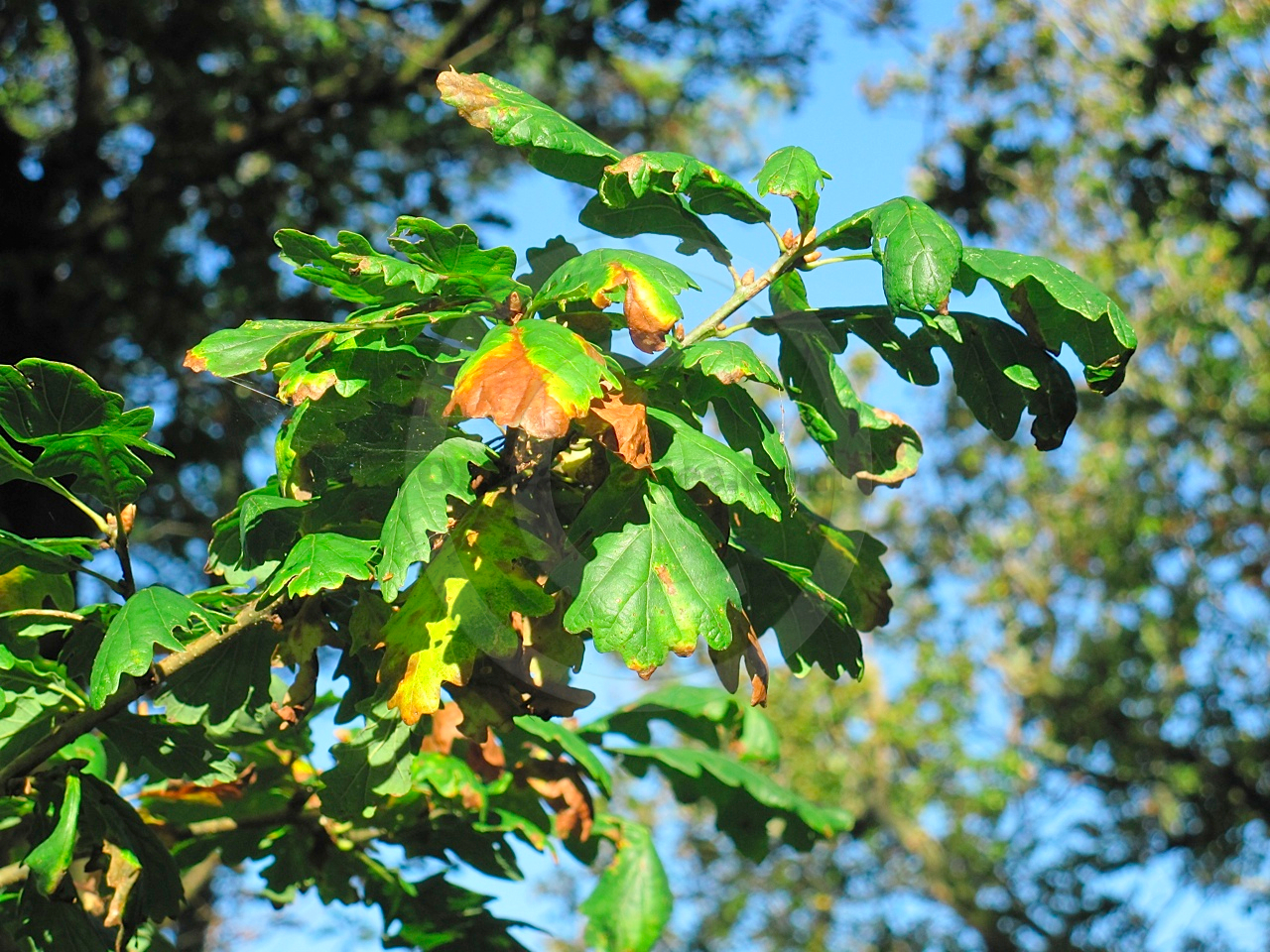

oak-leaf
Some UK oaks are over 1000 years old


Volunteers will be recruited locally by The Derbyshire Wildlife Trust, to carry out a range of tasks.

The Trust is building on a major tree survey, funded by an earlier HLF grant, which identified and mapped more than 4,000 veteran trees, some of which were found to be of not just regional, but of national importance.

The ancient trees, some of which are thought to be over a thousand years old, are important to the landscape and for wildlife, providing a habitat for many rare and endangered species.

Among their number are the Old Man of Calke, an oak tree thought to be more than 1200 years old, and the remains of the Betty Kenny Yew in Shining Cliff Woods near Crich which is believed to be even older. This tree was said to be the inspiration for the lullaby Rock-a-bye-baby in a tree top.

Although some of the identified trees are protected within reserves or sites of special scientific interest, most are outside such areas and have no legal protection. The project “Saving the Great Trees of Derbyshire” will train volunteers to help them monitor the condition of trees locally and spread awareness of their value. They will also be able to spot specimens at risk and take action to save them with specialist support.

Legend and folklore


Where there are local legends these will be documented and an archive created on the Derbyshire Wildlife Trust’s website. A programme of special events will also be devised to engage further public interest, including guided walks and craftwork for children and families.

Land owners, managers and local communities who have ancient trees locally will also be able to find advice online detailing how they can protect the older trees in the future.

Emma Sayer, Head of Heritage Lottery Fund East Midlands, said:

“As well as their importance to the landscape and to nature conservation these magnificent trees have in many cases contributed to local folklore. This project will protect all these aspects and is especially appropriate as it is beginning within the International Year of Biodiversity.”

Commenting for Derbyshire Wildlife Trust Jo Brown Conservation Manager said: “We are delighted that the HLF are supporting this project. Our survey showed that many ancient trees are at risk because their value is not recognised, and we hope that by helping people celebrate their local trees we can make sure they are still around for future generations to enjoy.”

More information

Heritage Lottery Fund

Derbyshire Wildlife Trust

Written by admin · Categorized: Featured, News · Tagged: Ancient Traditions, Ancient Trees, Craftwork, Crich, Derbyshire Wildlife Trust, Endangered Species, Folklore, Great Trees, Guided Walks, Heritage Lottery Fund, Legends, Lullaby Rock, Oak Tree, Public Interest, Rock A Bye Baby, Specialist Support, Specimens, Tree Survey, Veteran Trees, Yew

Jan 26 2011

Return of the Doddin Apple

The small, sweet Doddin (Daddin) apple is a native of  Worcestershire and thanks to a few dedicated people, is set to make a comeback.

What is the Doddin?


doddin_apple
Small, sweet fruits made this a popular "scrumper's" apple


The Doddin (sometimes pronounced Daddin) is an apple tree that is rather diminutive in size but produces heavy yields of equally diminutive but juicy and very sweet apples.

Doddin apples are ready for harvest in July.  Pale green in colour, they are slightly larger than a golf ball and a little elongated.

They are best eaten within a few days of picking and are eaten whole, including the core.  A real hit with children due to it’s small size.

A Doddin tree grows freely on its own rootstock and tolerates wet and heavy clay soils.

Doddin Preservation Society

It is thought that the Doddin apple tree is found only in the town of Redditch, Worcestershire, England and the immediate surrounding area. The actual numbers of native Doddin are not known but there are probably less than twenty.

The Doddin Preservation Society, is a not for profit organisation whose aims are to;

  • Discover and, where possible, preserve existing specimens and  encourage others to do so.
  • Keep The Doddin name in the public domain.
  • Reproduce, by vegetative means, The Doddin and endeavour to raise specimen numbers.
  • Get The Doddin recognised as a variety and to be accepted by the national collection at Brogdale.

World War II


Unpruned and unfed Doddin
An unpruned, unfed Doddin shows it's natural shrubby nature


Pip Taylor of The Doddin Preservation Society said;

“I remember my father telling me of The Doddin and of how it was an important crop for the people of Redditch during the War.

The apple’s virtues are; cropping early in July, thus extending the apple harvest, very sweet and bite size.

During wartime England, when sweets had disappeared from shop shelves, The Doddin could send a child in raptures of ecstasy with just one bite.

The sweetness is exceptional, combined with the low level of malic acid so, with its deminutive size it lent itself nicely to a sweet substitute. Bought for a penny a bag it was not unusual for locals to take them into cinemas.

Eaten whole, there would be nothing left but the stalk. The only drawback is the high tannin levels which can turn the teeth brown”.

Doddin’s Fall and Rise

With the expansion of Redditch, which was designated a New Town in the early 1970s, most of The Doddin trees in gardens and allotments disappeared under the new ring roads and housing developments.

Recently, Pip Taylor became concerned that the younger generation and those recent to the town, would not know of The Doddin and may cut down existing trees.


Taking cuttings from a Doddin
Kevin taking cuttings from a well fed Doddin


Pip’s hope was for nothing more than to get the apple’s name in the local press but with the help of Kevin O’Neil of Walcot Nursery, Drakes Broughton, Worcestershire, they managed to get a good number of maiden Doddins ready for sale.

Kevin took material from a local Doddin to graft onto various rootstocks for bare root maidens which where ready in November 2010.

Judging from the response, these are popular little trees and would be well suited to the smaller gardens of today or even container planting.

Doddins throw suckers and unlike many commercial apples, they survive quite well on their own rootstock.

It is not known yet, just how long a tree will take to bear fruit but they are slow growing and the picture below, is of a tree which is thought to be the oldest at about 80 years old, showing just how diminutive they are.

We have been told that there are only a few plants remaining from the 2008/2009 cuttings but new stock is quite likely to be grafted this year.

If you are keen to own a Doddin, it is suggested that you contact Walcot Nurseries to reserve your plant.  The Doddin is probably the earliest fruiting apple known and as such is not likely to tolerate climates which suffer late frosts.

Doddins on the map


Doddin thought to be about 80 years old
Apple scrumping memories from an 80 year old tree


The Doddin Preservation Society are trying to place all known Doddin trees on the map and would love to hear from anybody who thinks they may have one.

We at Oldvaieties.com would be interested to know how many Doddins still survive and if you know of any stories or folklore surrounding this fruit.

Is this the oldest Doddin tree?

How was the fruit used?

Do you have an old Doddin recipe?

Contact us using the comments section at the end of this article.

More information

Doddin Preservation Society

Walcot Organic Nursery – A selection of traditional and modern fruit tree varieties.

BBC – Rare apple planted in local orchard.

Written by admin · Categorized: Apples, Featured · Tagged: Apple Harvest, Apple Tree, Bite Size, Brogdale, Clay Soils, Endeavour, Golf Ball, Pip, Preservation Society, Profit Organisation, Quot, Rootstock, Specimen Numbers, Specimens, Sweet Apples, Sweet Fruits, Virtues, Wartime England, Worcestershire England, World War Ii

Copyright © 2026 ·Altitude Pro on Genesis Framework · WordPress · Log in